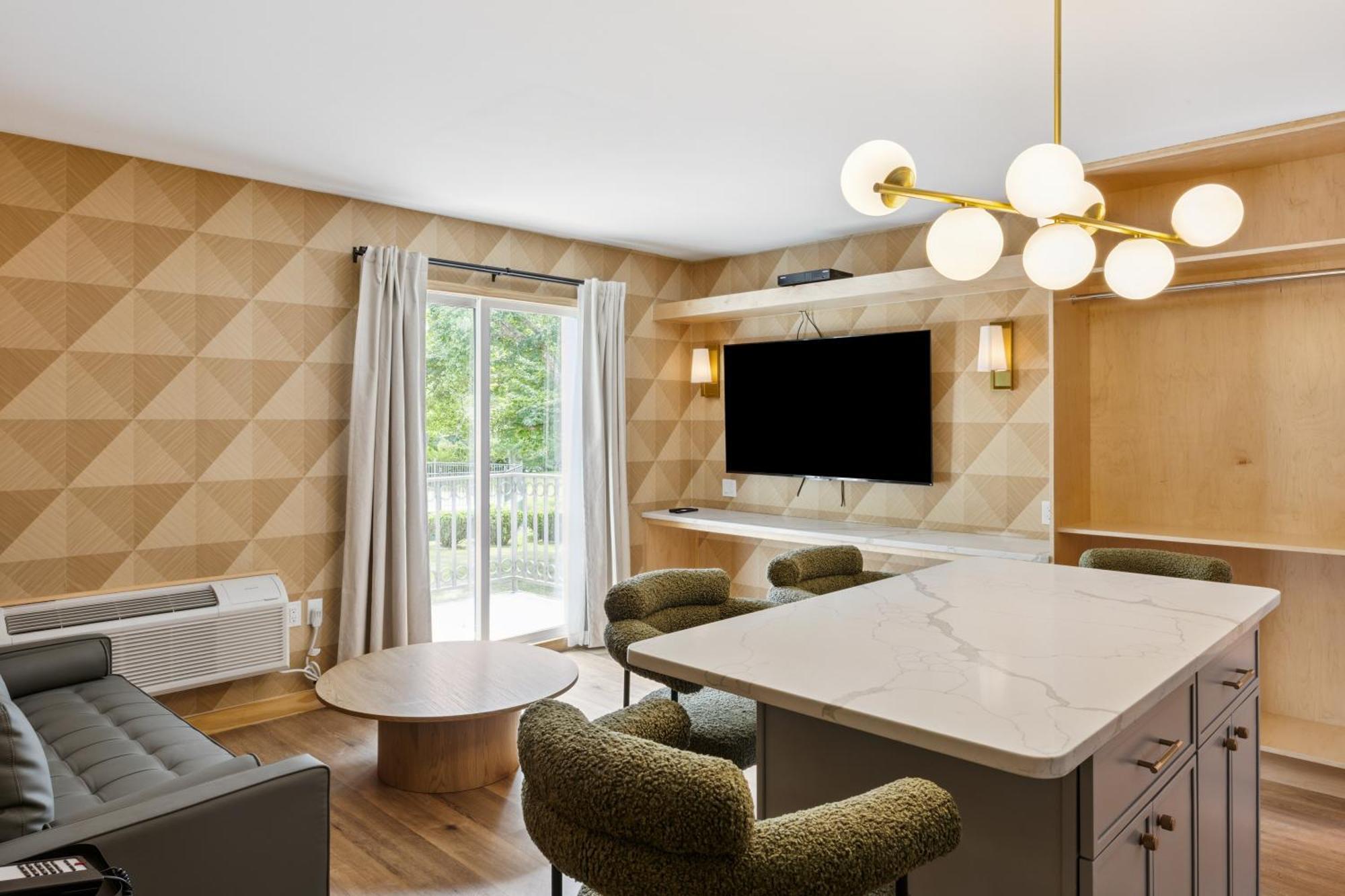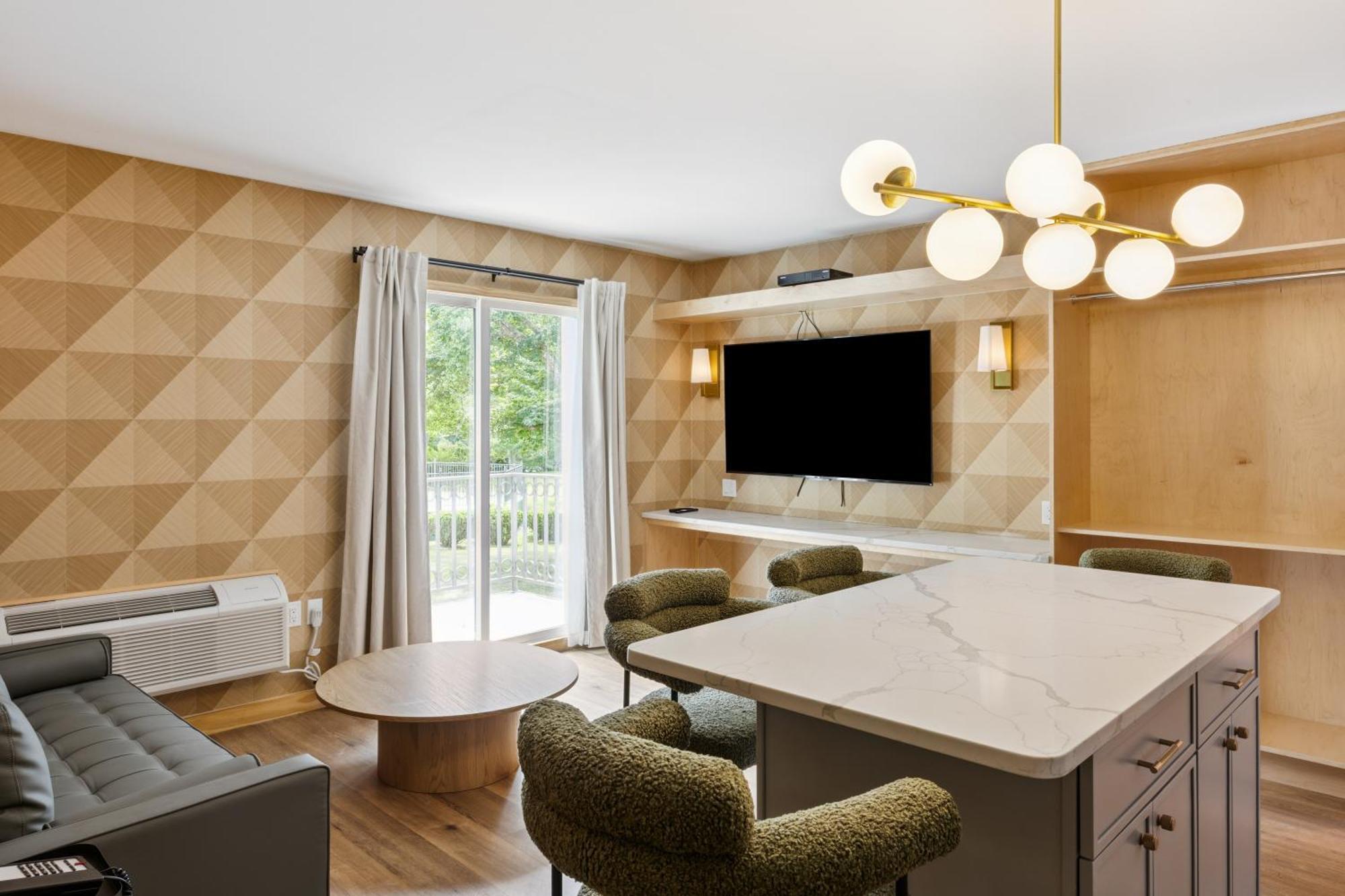
The Blue Ridge Mountains stretch across Virginia, North Carolina, and Tennessee, offering some of the most accessible mountain scenery in the eastern United States. Inn hotels here range from gateway-town properties near national park entrances to interstate-adjacent options built for road trippers and business travelers passing through. This guide breaks down five specific inn options across the region - from Andrews, NC to Wytheville, VA - so you can match your stay to your actual itinerary rather than booking blind.
What It's Like Staying in the Blue Ridge Mountains
The Blue Ridge Mountains region is not a single destination but a corridor of small towns connected by the Blue Ridge Parkway, US-19, US-74, and I-77/I-81. Most visitors drive everywhere - there is no regional transit system, and distances between towns can exceed 60 miles along winding mountain roads. The crowd rhythm is highly seasonal: fall foliage season from mid-October to early November brings the heaviest traffic, while summer weekends around national park entrances like Townsend, TN and Cherokee, NC fill fast.
Staying here suits hikers, road trippers, and outdoor recreation travelers who want direct access to trails, rivers, and scenic drives. Travelers expecting walkable dining districts or nightlife will find most gateway towns extremely limited after 9 PM.
Pros:
- Direct proximity to Great Smoky Mountains National Park, Nantahala National Forest, and Blue Ridge Parkway trailheads - most inn hotels are within a short drive of multiple outdoor access points
- Inn hotels in smaller Blue Ridge towns offer free parking as a standard amenity, which is a practical advantage for travelers arriving by car with gear
- The region's town-based inn hotels provide a quieter, lower-density alternative to crowded resort areas like Gatlinburg or Asheville
Cons:
- No walkability between hotels and major attractions - a rental car or personal vehicle is non-negotiable for every itinerary
- Dining options near most inn hotels in gateway towns are limited, especially for dinner after 8 PM
- Rooms book out weeks in advance during fall foliage season, and last-minute availability in peak months is unreliable
Why Choose Inn Hotels in the Blue Ridge Mountains
Inn hotels in the Blue Ridge Mountains region are the practical middle ground between budget motels and full-service resorts. Most are 2-star properties that include free hot breakfast, free parking, and functional amenities like microwaves and refrigerators - features that matter when you are self-catering between hikes or arriving late from a full day on the parkway. Pricing is generally more accessible than resort lodges inside national park boundaries, which can run around 40% higher for comparable room types.
Room sizes at Blue Ridge inn hotels tend to be standard rather than large - expect queen or king rooms with a work desk, cable TV, and basic kitchenette items. These properties are built for practical stays, not extended luxury. Noise levels vary: interstate-adjacent inns like those in Wytheville can have highway noise, while smaller-town inns in Andrews or Townsend are significantly quieter at night.
Pros:
- Free hot breakfast is common across the category, reducing daily food costs on multi-night outdoor itineraries
- Pet-friendly policies are more widely available at Blue Ridge inn hotels than at resort properties - useful for travelers bringing dogs on hiking trips
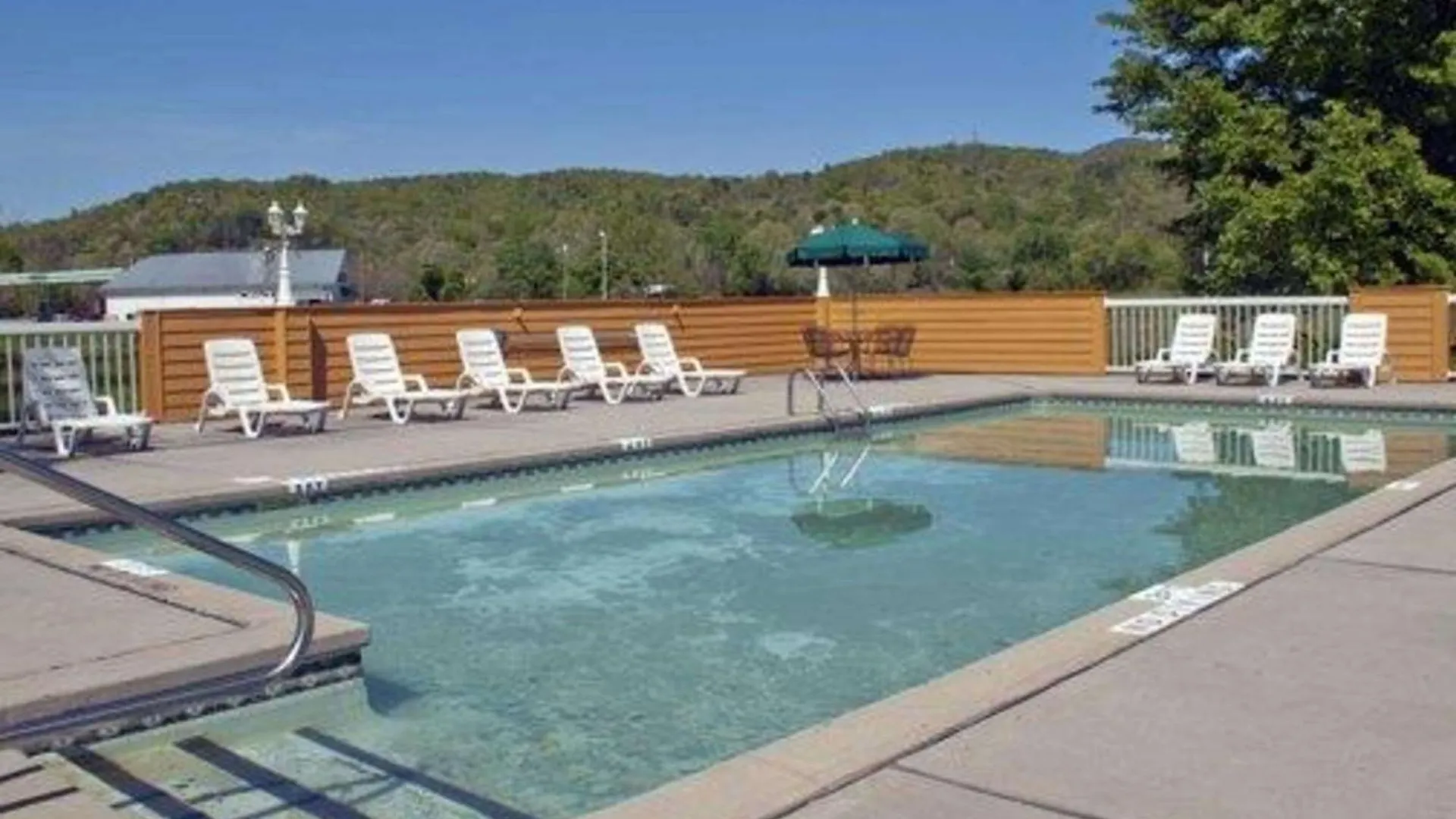
- Seasonal outdoor pools available at several properties add value for summer visits without increasing the nightly rate significantly
Cons:
- Rooms are functional but not spacious - travelers planning long stays may find the layouts limiting for storing gear
- Interstate-adjacent inn locations offer convenience but come with road noise that lighter sleepers will notice
- On-site dining is rarely available beyond breakfast - guests must plan for external restaurant options every evening
Practical Booking and Area Strategy
Position matters significantly in the Blue Ridge Mountains because the region is long and spread out. Travelers focused on Great Smoky Mountains National Park should prioritize Townsend, TN or Andrews, NC - both offer direct access to park entrances and Nantahala National Forest trailheads without the resort-town congestion of Gatlinburg. Wytheville, VA sits at the intersection of I-77 and I-81, making it the best base for travelers road-tripping through southwestern Virginia who want access to Draper Valley Golf Club, state parks, and the surrounding wine country. Hillsville, VA works well as a stop along the Blue Ridge Parkway for travelers moving between Virginia and North Carolina.
Popular activities across the region include hiking the Art Loeb Trail and Appalachian Trail segments, whitewater rafting on the Nantahala River, visiting Fields of the Wood Biblical Park, and cycling sections of the Blue Ridge Parkway. Book at least 6 weeks ahead for fall foliage season stays, particularly in October, when rooms in Andrews, Townsend, and Franklin sell out fastest. Franklin, NC is a practical alternative base for travelers wanting access to Harrah's Cherokee Casino, gem mining at local mines, and the southern Appalachian trail network without paying Asheville-area hotel premiums.
Best Value Stays
These inn hotels offer strong functional value across the Blue Ridge region - reliable amenities, free breakfast, and positioning close to key outdoor and highway access points without the premium pricing of resort-adjacent properties.
-
1. Quality Inn Andrews
Show on map


Just a few rooms left at the best rate!
fromUS$ 92
-
2. Highland Manor Inn
Show on map


Just a few rooms left at the best rate!
fromUS$ 130
-
3. Quality Inn Franklin
Show on map


Hurry – almost gone at this price!
fromUS$ 149
-
4. Quality Inn Hillsville
Show on map


Hurry – almost gone at this price!
fromUS$ 59
Best Premium Option
For travelers needing interstate connectivity, business facilities, and a wider dining and activity ecosystem, this Wytheville property stands out as the most full-featured inn in the Blue Ridge Mountains selection.
-
5. Sleep Inn Wytheville I-77 And I-81
Show on map


Rooms filling fast – secure the best rate!
fromUS$ 64
Smart Travel and Timing Advice
Fall foliage season - roughly mid-October through early November - is the single busiest travel period across the Blue Ridge Mountains, with room availability dropping sharply and prices rising at all properties. Booking for this window at least 8 weeks in advance is strongly advisable, particularly for inn hotels near national park entrances in Townsend and Andrews. Summer weekends from late June through August are the second-highest demand period, especially for properties with outdoor pools.
Spring (April to early June) offers the best combination of mild hiking weather, blooming wildflowers on the Parkway, and lower nightly rates - and is generally the quietest shoulder season for inn hotels across Virginia and North Carolina. Winter stays in December and January are possible and can be the cheapest, but some mountain roads close in icy conditions, and several seasonal attractions shut down. A 2-night minimum is the practical baseline for most Blue Ridge itineraries - day trips rarely justify the driving distances involved, and a single night rarely allows enough time to cover both a key trail and a Parkway scenic drive.